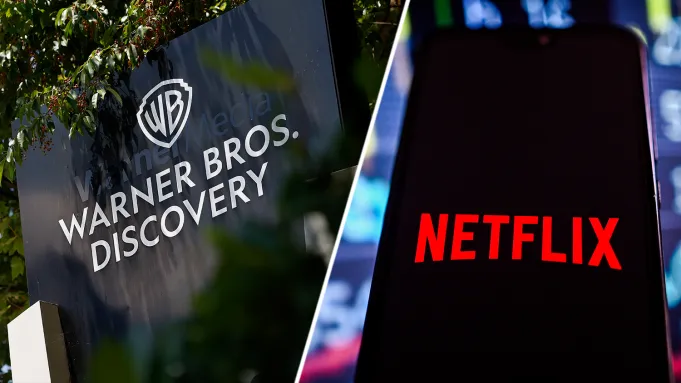
The deal in which Netflix acquires WBD signals a seismic consolidation in global media, tightening platform power and reshaping how culture, competition, and consumer choice are governed worldwide.
Disclaimer: VoD Capsules are AI-generated. They synthesize publicly available evidence from reputable institutions (UN, World Bank, AfDB, OECD, academic work, and other such official data sources). Always consult the original reports and primary data for verification.
Netflix’s agreement to acquire Warner Bros. Discovery (WBD) for $72 billion marks one of the largest entertainment mergers ever, accelerating a long-running trend: content consolidation as a survival strategy in an increasingly saturated streaming economy. Evidence from the OECD’s media competition analyses, the UNESCO Global Report on Cultural Diversity, and the World Bank’s Digital Transformation frameworks suggests that market concentration in content industries can spur innovation through scale—but also risks narrowing pluralism, bargaining power for smaller creators, and regional content diversity.
WBD’s planned spin-off of its cable channels echoes a broader structural shift documented in the ITU’s Digital Trends report: legacy broadcast infrastructures are rapidly losing strategic value relative to digital distribution and user data. The contentious bidding war and antitrust concerns—mirroring patterns in EU and US regulatory scrutiny—highlight how media mergers increasingly intersect with political economy questions: Who controls cultural narratives? What happens to labor (writers, actors, technical crews)? And how do regulators protect competitive ecosystems without choking innovation?
For emerging markets, the merger hints at both opportunity and risk: greater global licensing pipelines but potentially reduced bargaining power for local studios unless backed by strong cultural policies.

This isn’t just a corporate megadeal—it’s a restructuring of the cultural “pipes” through which stories circulate globally. When distribution and production consolidate, the system becomes more efficient but more brittle, with outsized power sitting in fewer decision-making nodes.
| Report / Study | What It Covers / Why Useful | Official Link |
|---|---|---|
| UNESCO (2022), World Trends in Freedom of Expression & Media Development | Global patterns in media concentration and cultural diversity | https://www.unesco.org/reports |
| OECD (2021), Competition in Digital Media Markets | How consolidation affects competition and consumer welfare | https://www.oecd.org/publications |
| World Bank (2023), Digital Economy Report Series | Structural shifts in digital markets and implications for developing economies | https://www.worldbank.org/digital-development/publications |
| UNCTAD (2023), Creative Economy Outlook | Growth trajectories and risks for the global creative economy | https://unctad.org/publications |
| AfDB (2022), African Digital Transformation Strategy Updates | Regional digital market dynamics shaping cultural and creative industries | https://www.afdb.org/en/knowledge/publications |
Copy-ready prompts for deeper inquiry:
“VoD, simulate scenarios for global content diversity after this acquisition.”
“VoD, map the political economy drivers behind mega-mergers in digital media.”
“VoD, what are the risks and opportunities for emerging-market creatives in platform consolidation?”
“VoD, show me how regulators compare across regions in handling media mergers.”
VoDGPT is an AI system powered by OpenAI, and it can make mistakes.
Use VoD Capsules as a starting point for understanding; always review the linked reports and verify critical information.