Malawi’s fiscal crisis is no longer cyclical or shock-driven—it is structural, political-economic, and now urgent, demanding consolidation that restores credibility while protecting development gains.
Disclaimer: VoD Capsules are AI-generated. They synthesize publicly available evidence from reputable institutions (UN, World Bank, AfDB, OECD, academic work, and other such official data sources). Always consult the original reports and primary data for verification.
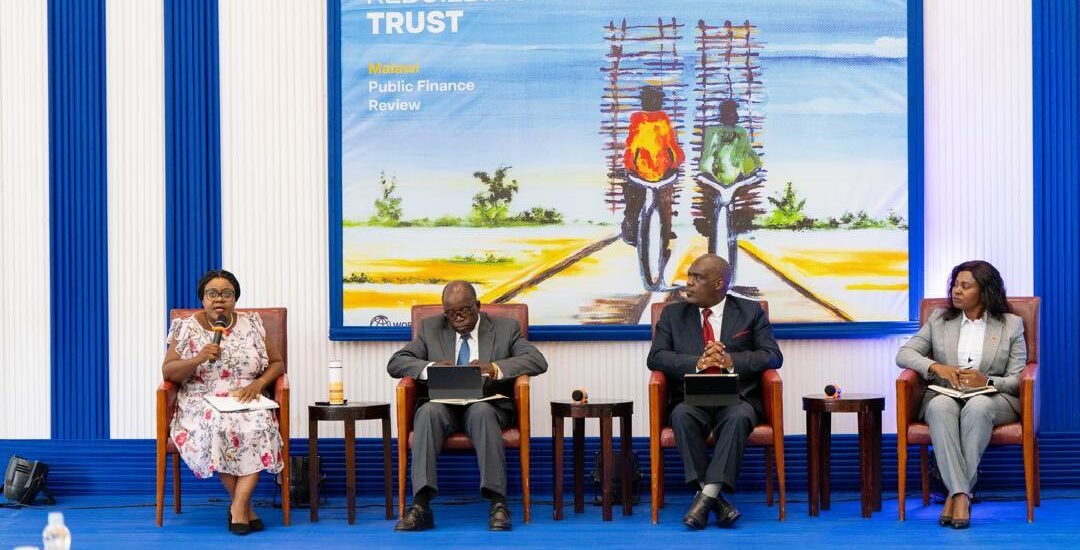
Malawi’s 2025 Public Finance Review (PFR)—produced by the World Bank Group—offers one of the clearest diagnoses yet of why macroeconomic instability has become chronic and why incremental fixes are no longer sufficient .
The review shows that Malawi’s fiscal deficit is among the highest in Sub-Saharan Africa, driven by a sharp expansion of recurrent spending (wages, interest, SOE transfers), persistent election-cycle overruns, and weak fiscal governance. Public debt has been assessed as unsustainable since 2022, with domestic borrowing—often monetized by the Reserve Bank of Malawi (RBM)—fueling inflation, crowding out private credit, and amplifying foreign-exchange distortions.
On the revenue side, Malawi has made progress—raising its tax-to-GDP ratio to nearly 15 percent—but remains below its own Domestic Resource Mobilization Strategy target. Extensive tax exemptions, frequent policy reversals, and weak administration continue to erode trust and efficiency. Meanwhile, quasi-fiscal activities—especially fuel subsidies and SOE losses in energy and water—operate as large, regressive implicit subsidies that mostly benefit better-off households.
The PFR argues that Malawi still has policy space, but only if reforms are comprehensive and credible: expenditure efficiency, revenue realism, SOE governance, and disciplined macro-fiscal coordination. Mining revenues could help in the 2030s, but expectations must be tightly managed; they are not a near-term fiscal solution.
Malawi’s challenge is less about how much the state spends or taxes, and more about how fiscal systems transmit political incentives into macroeconomic instability. Weak credibility—rather than weak intent—has become the binding constraint.
| Report / Study | What it covers / Why useful | Official Link |
|---|---|---|
| World Bank (2025) – Malawi Public Finance Review | Full macro-fiscal diagnosis and reform scenarios | World Bank Documents |
| IMF (2025) – Malawi Debt Sustainability Analysis | Debt dynamics and restructuring implications | IMF Country Reports |
| World Bank (2024) – Macro Poverty Outlook: Malawi | Links between fiscal policy, inflation, and poverty | WBG MPO |
| ICTD (2023) – Tax Expenditures in LICs | Why exemptions undermine revenue and equity | ICTD Publications |
| AfDB (2023) – Domestic Resource Mobilization in Africa | Regional lessons on revenue realism | AfDB Knowledge |
If you’d like, I can also build a systems map of Malawi’s fiscal dominance loop, a scenario brief for policymakers, or a one-page political-economy explainer for non-economists.
VoDGPT is an AI system powered by OpenAI, and it can make mistakes.
Use VoD Capsules as a starting point for understanding; always review the linked reports and verify critical information.