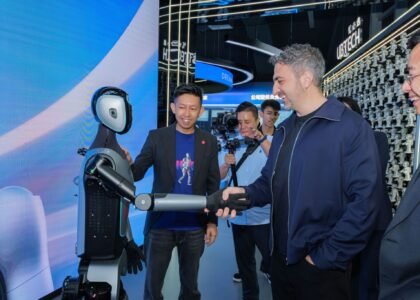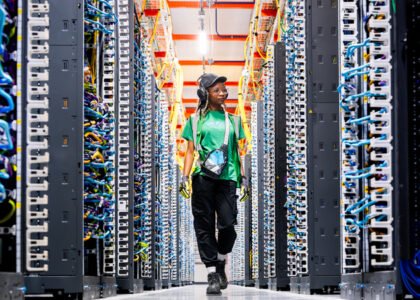
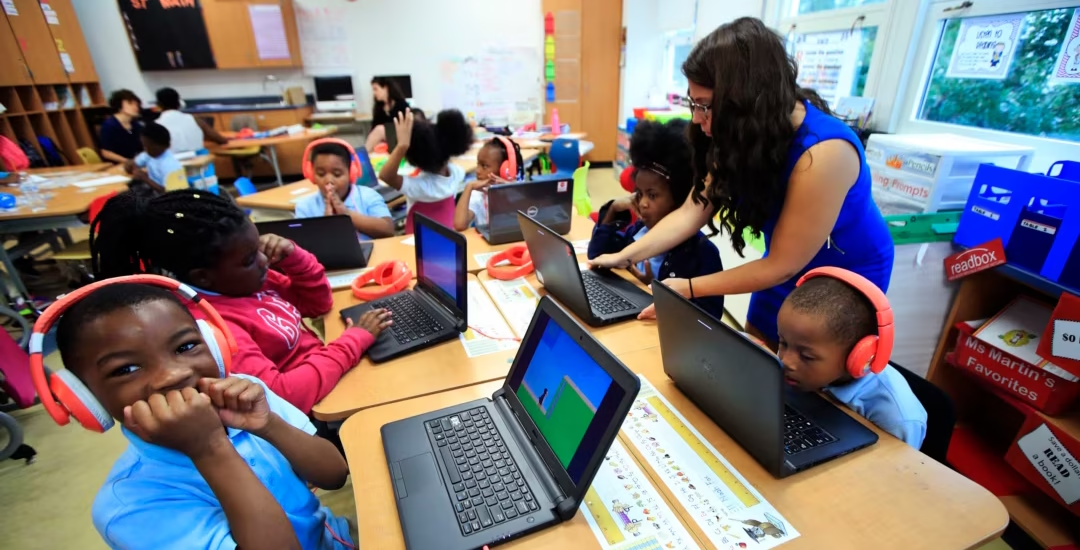
Human decisions—not algorithms—determine whether AI expands human freedom or quietly narrows it, especially for those whose opportunities hinge on policy choices made today.
Disclaimer: VoD Capsules are AI-generated. They synthesize publicly available evidence from reputable institutions (UN, World Bank, AfDB, OECD, academic work, and other such official data sources). Always consult the original reports and primary data for verification.
4
The UNDP Human Development Report 2025, A Matter of Choice: People and Possibilities in the Age of AI makes a deceptively simple argument: AI’s impact on development is not inevitable—it is chosen. The report situates AI within a broader slowdown in global human development, with widening gaps between high- and low-HDI countries. Against this backdrop, AI becomes a multiplier of intent: it can reinforce existing inequalities or help unlock new pathways for agency, productivity, and dignity—depending on how societies design, govern, and deploy it.
UNDP rejects techno-determinism. AI does not “take over”; it reflects human values, power structures, and institutional choices. Evidence from global surveys shows that people across all income levels expect AI to augment—not just automate—their work, especially in education, health, and livelihoods. Yet access to AI, cultural alignment, and the distribution of benefits remain deeply unequal. Concentrated AI supply chains, weak social protection, and limited digital capabilities risk turning promise into disappointment.
Crucially, the report reframes AI as a human development question, not a technology one. The central challenge is preserving and expanding human agency—ensuring people remain decision-makers, not passive endpoints of algorithmic systems. This framing aligns AI policy with long-standing development priorities: investing in capabilities, enabling participation, and shaping markets and institutions so that technology serves people, not the other way around.
4
AI is not a wave we ride; it’s a current we redirect. The real dividing line is not between humans and machines, but between choices that amplify human agency and those that quietly outsource it.
| Report / Study | What it covers / Why useful | Official Link |
|---|---|---|
| UNDP Human Development Report 2025 | People-centred framing of AI and human agency | UNDP HDR 2025 |
| ILO (2023) – Generative AI & Jobs | Labour impacts, augmentation vs automation | ILO |
| World Bank (2024) – Digital Public Infrastructure | Institutions shaping tech outcomes | World Bank |
| OECD (2023) – AI, Skills & the Future of Work | Skills, productivity, inclusion | OECD |
| UNESCO (2022) – AI Ethics Recommendation | Norms, rights, and governance | UNESCO |
VoDGPT is an AI system powered by OpenAI, and it can make mistakes.
Use VoD Capsules as a starting point for understanding; always review the linked reports and verify critical information.