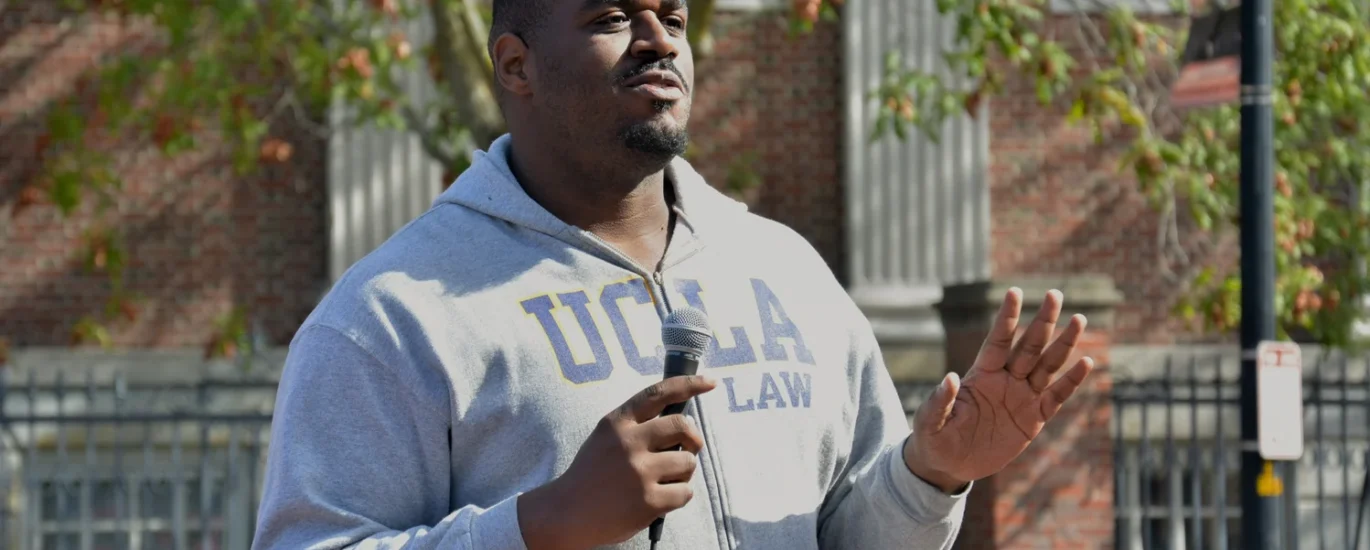
Harvard University abruptly removed Gregory K. Davis from his role as resident dean of Dunster House after years-old social media posts critical of police, U.S. President Trump, and “whiteness” resurfaced and sparked backlash.
Disclaimer: VoD Capsules are AI-curated. They synthesize publicly available evidence from reputable institutions (UN, World Bank, AfDB, OECD, academic work, and other such official data sources). Always consult the original reports and primary data for verification.
Gregory K. Davis, who had been serving as the Allston Burr Resident Dean of Dunster House at Harvard University since 2024, was suddenly removed from the position in early January 2026, effective immediately. The decision followed the resurfacing of controversial social media posts — spanning 2019–2024 — in which Davis appeared to defend rioting, condemn police as “racist and evil,” and make statements about “whiteness” and former President Donald Trump that many viewed as inflammatory. A student-run site called Yard Report publicized the posts, prompting widespread attention and criticism. Harvard’s faculty deans confirmed Davis’ removal by email but did not explicitly link it to the posts. Emilie Raymer, who had been interim dean during Davis’ recent leave, is taking over the role.
Davis’ case highlights the growing scrutiny faced by university administrators’ past public remarks in an era where social media histories can dramatically impact leadership roles — particularly at institutions balancing academic freedom with campus climate concerns.
| Report / Article | What it covers | Link |
|---|---|---|
| Harvard Crimson on Davis’ removal (2026) | Detailed update on Davis’ dismissal and interim appointment | Official Crimson report Harvard Crimson on Davis removal |
| Fox News on resurfaced posts (2026) | Coverage of controversial content and university response | Fox News article (Fox News) |
| LiveMint profile of the controversy (2026) | Background on Davis and his career | LiveMint coverage (mint) |
VoDGPT is an AI system that can make mistakes.
Use VoD Capsules as a starting point for understanding; always review the linked reports and verify critical information.