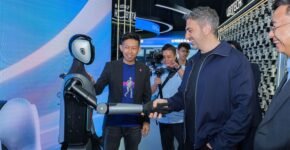
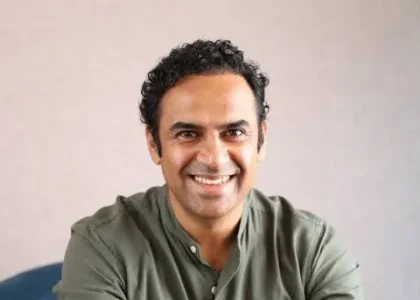
Trained as an engineer and researcher, Warier’s early career moved through optimization, analytics, and large-scale applied artificial intelligence.
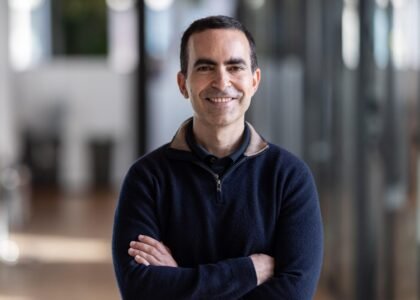
Karim Beguir founded InstaDeep in 2014, years before artificial intelligence became a boardroom priority and long before Africa was considered a credible origin point for frontier AI companies.

Muchnick was trained in business and economics at the University of Chile and later completed executive education at institutions including Harvard, Stanford, and UC Berkeley.
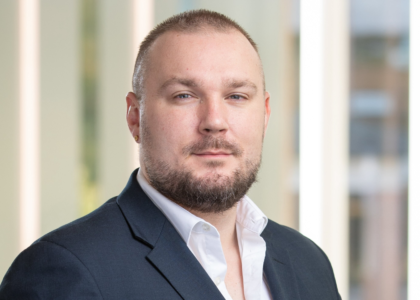
Smith was trained as a civil engineer, the kind of profession that rarely attracts attention until something goes wrong. Early in his career, he worked alongside municipalities and infrastructure operators responsible for systems that run beneath cities, out of sight and largely out of mind. Water mains, in particular, stood out. They were old, expensive, critical, and poorly understood.
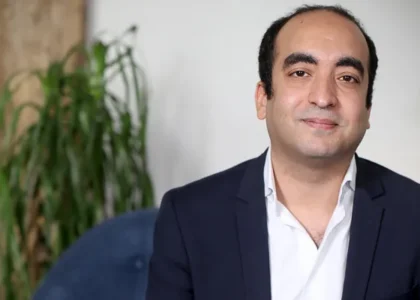
Thunder Code is building an AI-based quality assurance platform designed to automate software testing. Instead of relying on scripted tests or large manual QA teams, Thunder Code uses generative AI to simulate human testers.
Kallot was born in France to parents exiled from the Central African Republic, a country whose name is often invoked only in the context of crisis, despite sitting atop extraordinary mineral wealth. Diamond, gold, uranium, cobalt, lithium — the raw materials of both past and future industrial revolutions — lie beneath its soil. What the country has historically lacked is not resources, but infrastructure and agency.
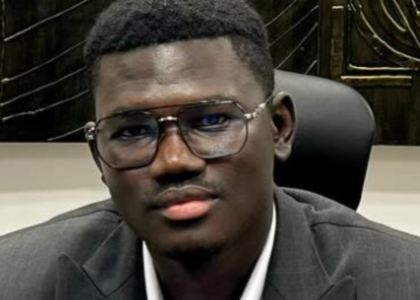
Trained across technology and law, Anonadaga has positioned himself as a founder focused on AI not as a consumer product, but as an institutional interface. His company, Trustur AI, reflects that orientation. Rather than competing in the race to automate tasks or generate content, Trustur is framed as an AI assistant and research platform designed to help people interrogate systems, policies, and decisions that affect development outcomes.
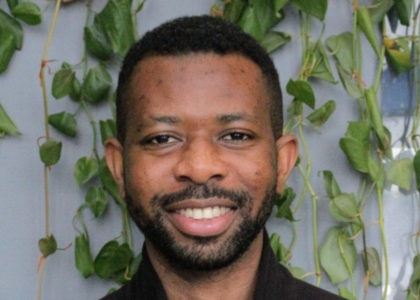
Onu is a trained biomedical engineer and AI researcher whose academic work focused on signal processing and machine learning applied to health. During his graduate studies, he became interested in how non-invasive signals, particularly sound, could carry clinically relevant information. That curiosity would later become the foundation of Ubenwa Health.