
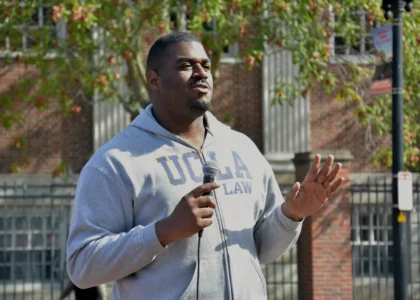
Harvard University abruptly removed Gregory K. Davis from his role as resident dean of Dunster House after years-old social media posts critical of police, former President Trump, and “whiteness” resurfaced and sparked backlash.
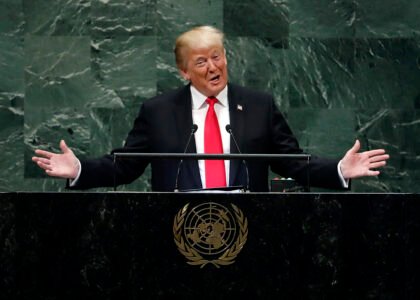
The U.S. withdrawal from 66 international organizations signals a strategic shift away from multilateral rule-making toward narrower, sovereignty-first engagement.

Africa’s AI future hinges less on adopting tools and more on owning infrastructure, data, and governance — or risk a new digital dependency cycle.
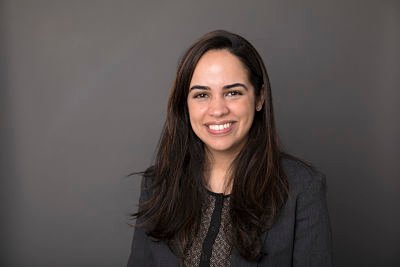
For Ginette Azcona, the problem is not that artificial intelligence lacks principles. It is that governance has remained detached from capacity, participation, and power.
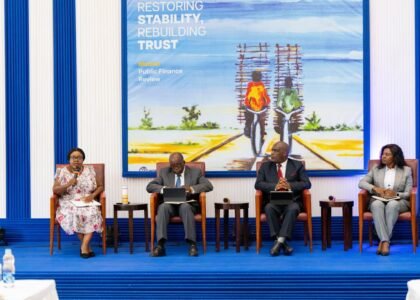
Malawi’s fiscal crisis is no longer cyclical or shock-driven—it is structural, political-economic, and now urgent, demanding consolidation that restores credibility while protecting development gains.
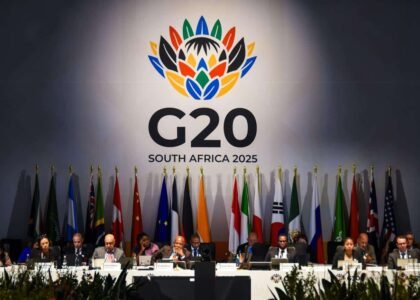
The 2025 handover from South Africa to a U.S.-hosted G20 marks a pivot from Global-South-centred multilateralism toward a more contested, growth-first, “America First–flavoured” global governance cycle.

The 2025 disaster declaration in Malawi reflects a catastrophic food-security crisis: prolonged drought, high prices

Artificial Intelligence is transforming global development, but without urgent investment in connectivity, compute, context, and competency, the digital divide will harden into an AI divide.