
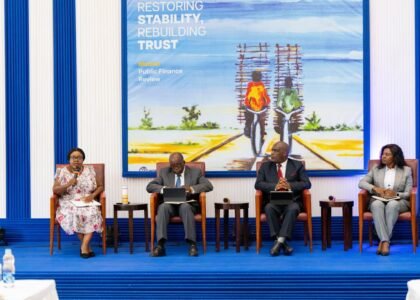
Malawi’s fiscal crisis is no longer cyclical or shock-driven—it is structural, political-economic, and now urgent, demanding consolidation that restores credibility while protecting development gains.
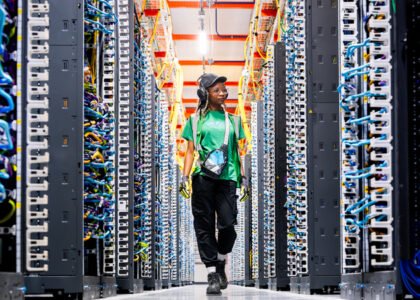
Data Centers are essential infrastructure for the digital age, but their rapid growth poses complex challenges for electricity demand, grid systems, and sustainability—especially as AI workloads surge.

AI-driven task automation is reshaping work unevenly—women, especially in clerical and administrative roles, face faster and deeper job transformation risks.

Far removed from the more commercial circuits of safari lodges and overbuilt beach resorts, Kaya Mawa operates on its own rhythm — intimate, authentic, and deeply embedded in its environment.

Artificial intelligence is reshaping tasks, wages, and working conditions more than eliminating jobs outright—creating uneven, sector-specific impacts that policy and institutions now mediate.

The deal in which Netflix acquires WBD signals a seismic consolidation in global media, tightening platform power and reshaping how culture, competition, and consumer choice are governed worldwide.
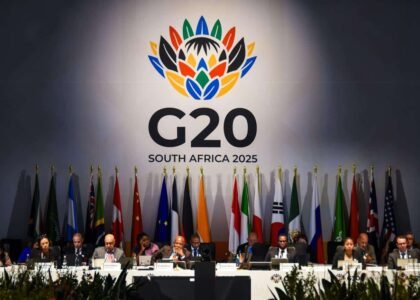
The 2025 handover from South Africa to a U.S.-hosted G20 marks a pivot from Global-South-centred multilateralism toward a more contested, growth-first, “America First–flavoured” global governance cycle.
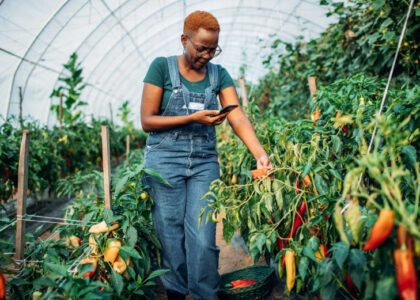
Artificial Intelligence is transforming global development, but without urgent investment in connectivity, compute, context, and competency, the digital divide will harden into an AI divide.