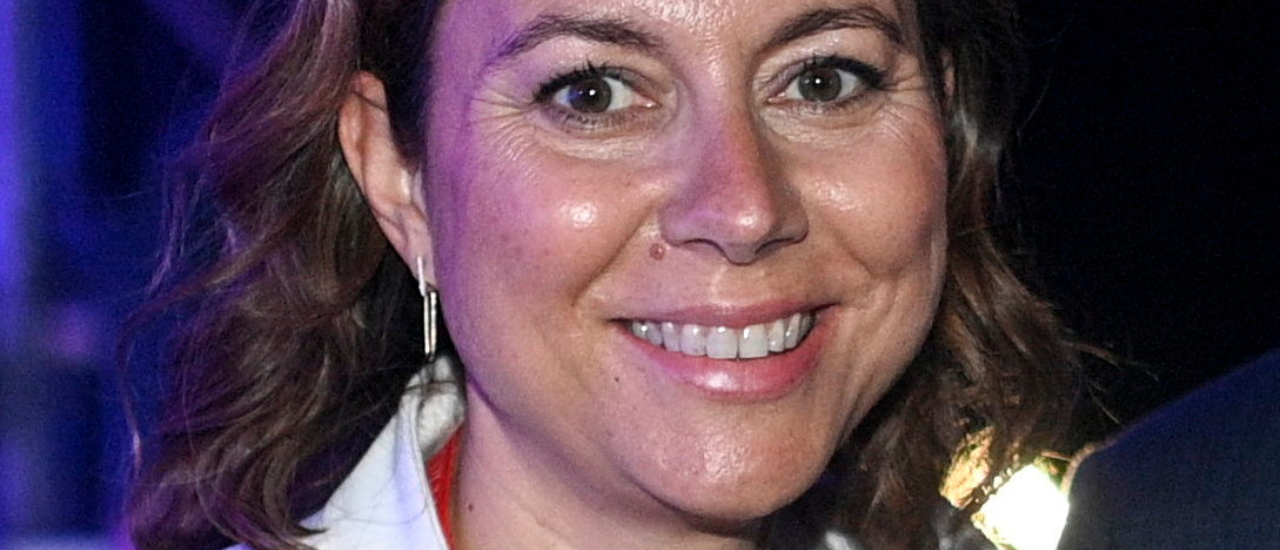
Ana Maiques has built a career in a part of technology where ambition is constrained by biology, regulation, and ethics. Her work is not about speed. It is about precision. And it sits inside one of the most complex systems humans have ever tried to understand: the brain.
Co-Founder & CEO, Neuroelectrics
Spain / United States
Maiques was born in Valencia, Spain, and trained initially in economics at the University of Barcelona before completing an MBA in the United Kingdom. Unlike many founders who approach deep technology from engineering or computer science alone, Maiques came through business and institutional leadership. That perspective would later shape how she built Neuroelectrics, a company designed not just to invent, but to survive inside clinical and regulatory systems.
Neuroelectrics was founded in 2011 as a spin-out from Starlab, a neuroscience research company based in Barcelona. Alongside physicist Giulio Ruffini, Maiques helped transition years of academic research into a commercial venture focused on non-invasive brain monitoring and stimulation. The company’s core premise was straightforward and difficult: meaningful progress in brain health would require tools that could both read and influence neural activity safely, repeatedly, and at scale.
Neuroelectrics develops wearable devices that combine electroencephalography with targeted electrical stimulation. Products such as Enobio and Starstim allow researchers and clinicians to monitor brain activity and apply stimulation protocols without surgery. These systems are paired with software and analytics designed to support research and therapeutic workflows in conditions ranging from epilepsy and depression to chronic pain and movement disorders.
What distinguishes Neuroelectrics is not novelty, but integration. The company operates at the intersection of hardware, software, clinical research, and regulation. Its devices are used in hospitals, research institutions, and clinical trials across dozens of countries. Building in this space requires long development cycles, rigorous validation, and the ability to work with clinicians, regulators, and patients simultaneously.
Maiques has been explicit about the challenges of building neurotechnology responsibly. Brain data is not abstract. It is intimate. Neuroelectrics’ work raises questions not only about efficacy, but about consent, safety, and long-term impact. Under her leadership, the company has emphasized clinical collaboration and regulatory alignment, resisting the consumerization of brain technology that has characterized parts of the wellness market.
Neuroelectrics expanded its presence beyond Europe with a significant operational footprint in the United States, including research activity in Boston. This transatlantic orientation reflects Maiques’ broader approach to scale. The company is built to operate across healthcare systems, research cultures, and regulatory environments, rather than optimizing for a single market.
Beyond Neuroelectrics, Maiques has played a visible role in shaping Europe’s technology ecosystem. She serves in advisory capacities related to innovation and research policy and is the president of EsTech, an organization representing high-growth Spanish technology companies. These roles reflect her belief that entrepreneurship is not only about individual companies, but about building environments where deep technology can survive beyond the laboratory.
Maiques has spoken openly about the risks inherent in this kind of entrepreneurship. Neurotechnology is capital-intensive, slow to commercialize, and subject to scrutiny that software startups rarely face. But she has framed those constraints as necessary. The brain, in her view, does not reward shortcuts.
What places Ana Maiques among the entrepreneurs to watch is her insistence that artificial intelligence and advanced computation must be embedded within institutions, not positioned against them. Neuroelectrics is not building gadgets. It is building systems intended to be trusted by clinicians and integrated into care over time.
As AI increasingly moves from software into the human body, the lines between innovation and responsibility narrow. Maiques is operating in that narrowing space. Her work suggests that the future of AI will not be defined only by what machines can do, but by where society is willing to let them operate.
In that future, legitimacy matters as much as capability. And Ana Maiques has spent more than a decade building both.
Click the ⤢ Icon to View the Magazine in full Screen for Best View
Designed as a seasonal publication, Voice of Development brings together research, reporting, and analysis meant to be read deliberately and revisited over time. Winter 2026 is a starting point: an attempt to answer, with clarity and restraint, what AIs can actually do—and what they cannot do.

Disclaimer: VoD Capsules are AI-generated. They synthesize publicly available evidence from reputable institutions (UN, World Bank, AfDB, OECD, academic work, andother such official data sources). Always consult the original reports and primary data for verification.