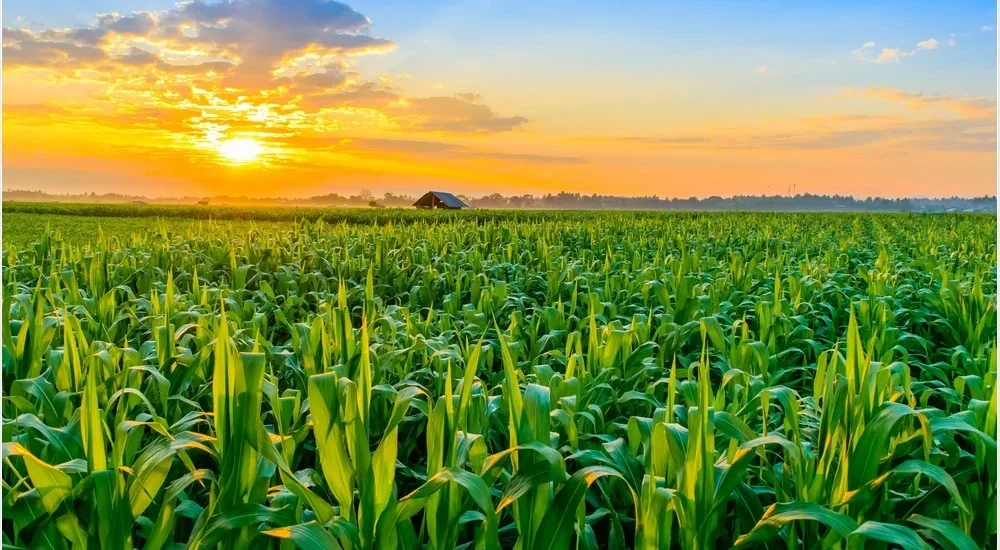
Malawi’s agriculture is a high-potential but low-productivity system where smallholder constraints, climate stress, and market bottlenecks shape everything from food security to macroeconomic stability.
Agriculture contributes roughly one-third of Malawi’s GDP and employs over 75% of the labor force, with smallholders cultivating more than 80% of agricultural land (FAO, World Bank). Yet productivity remains chronically low due to limited access to inputs, weak extension systems, fragmented markets, and high exposure to climate shocks—especially droughts and erratic rainfall (UNDP; World Bank Malawi Climate Risk Assessment).
Tobacco still dominates export earnings, though diversification efforts toward legumes, horticulture, and livestock are expanding, supported by institutions such as IFAD, FAO, the World Bank, and the African Development Bank (AfDB). The AfDB’s Agricultural Productivity and Market Enhancement Program highlights the potential of irrigation, structured markets, and value-chain upgrading for smallholders (afdb.org/en/knowledge/publications).
National reforms—such as restructuring the Affordable Inputs Programme (AIP), scaling climate-smart agriculture frameworks, and deepening regional trade integration—are central to ongoing policy debates (Government of Malawi & UN iLibrary).
4
Malawi’s agriculture is not just a sector—it is the country’s primary risk system and primary opportunity system. Productivity, resilience, and markets are tightly intertwined: when the rains fail or fertilizer prices surge, the ripple moves through food security, trade balances, public budgets, and political stability.
| Report / Study | What it Covers / Why Useful | Official Link |
|---|---|---|
| Malawi Country Climate and Development Report (2023, World Bank) | Climate risks, macro-agriculture linkages, resilience priorities | https://openknowledge.worldbank.org/handle/10986/39851 |
| Agricultural Development Strategy II (Gov. of Malawi, 2021) | National direction on productivity, markets, institutions | https://www.un-ilibrary.org (search “Malawi ADS II”) |
| IFAD—Country Strategic Opportunities Programme (2022) | Smallholder livelihoods, inclusion, value-chain upgrading | https://www.ifad.org/en/web/operations/country/id/malawi |
| FAO Malawi Country Programming Framework (2023–27) | Food systems transformation, extension, nutrition | https://www.fao.org/documents |
| AfDB Agriculture Portfolio in Malawi (multiple years) | Irrigation, market systems, productivity investments | https://www.afdb.org/en/knowledge/publications |
| UNDP Malawi Human Development Report (latest) | Livelihood dynamics, vulnerability, governance | https://hdr.undp.org |
Here are prompts you can use to go deeper: