
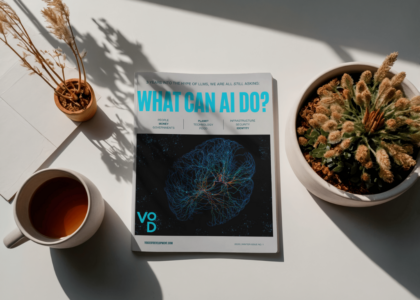
In the 2026 VoD Winter Issue No.1, we discuss perhaps the most pressing question of our time: What Can Artificial Intelligence Really Do? This issue moves past speculation and hype to examine AI as it is actually being deployed—inside governments, markets, infrastructure systems, and everyday decision-making.

Aicha Evans belongs to a rare breed of tech leaders: a Silicon Valley CEO whose global upbringing and humanitarian focus give her a uniquely grounded perspective.

Africa’s AI future hinges less on adopting tools and more on owning infrastructure, data, and governance — or risk a new digital dependency cycle.

Suleyman has been riding the wave of AI since before most of us had smartphones. At DeepMind he helped build AIs that mastered games and medicine, and today he leads Microsoft’s Copilot efforts.
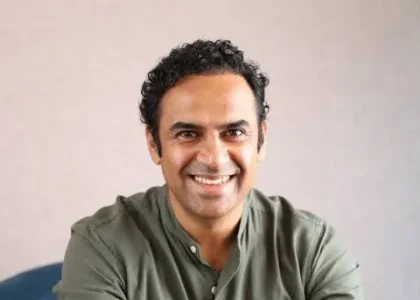
Trained as an engineer and researcher, Warier’s early career moved through optimization, analytics, and large-scale applied artificial intelligence.
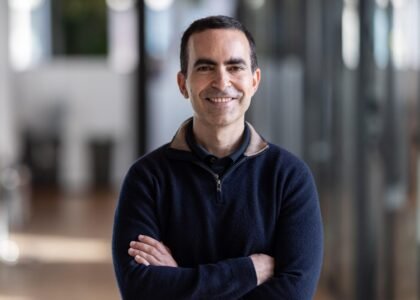
Karim Beguir founded InstaDeep in 2014, years before artificial intelligence became a boardroom priority and long before Africa was considered a credible origin point for frontier AI companies.

Muchnick was trained in business and economics at the University of Chile and later completed executive education at institutions including Harvard, Stanford, and UC Berkeley.

Smith was trained as a civil engineer, the kind of profession that rarely attracts attention until something goes wrong. Early in his career, he worked alongside municipalities and infrastructure operators responsible for systems that run beneath cities, out of sight and largely out of mind. Water mains, in particular, stood out. They were old, expensive, critical, and poorly understood.