
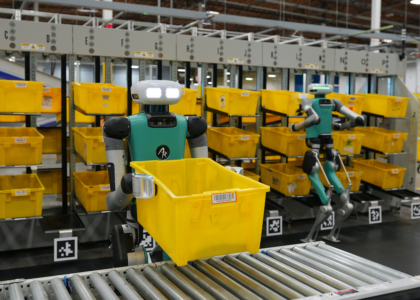
Amazon’s robotics journey shows how automation, human labor, and AI co-evolve—less about replacing people, more about redesigning the economics and physics of fulfillment at planetary scale.

Artificial intelligence is accelerating the demand for continuous upskilling and reskilling—from digital and AI-native competencies to human-centric problem solving—reshaping how individuals, employers, and nations invest in lifelong learning.

Artificial intelligence’s rapid scale-up is quietly driving emissions and water use toward city-scale levels—yet weak disclosure makes the true footprint far larger and murkier than reported.

Human decisions—not algorithms—determine whether AI expands human freedom or quietly narrows it, especially for those whose opportunities hinge on policy choices made today.

Algorithms now quietly mediate political attention, reshaping what voters encounter, amplify, and ignore—often faster than democratic safeguards can respond.
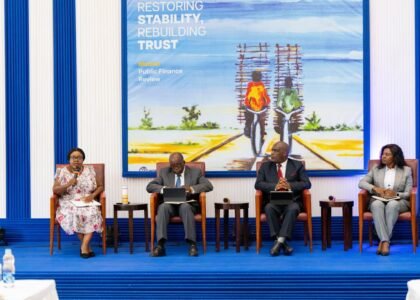
Malawi’s fiscal crisis is no longer cyclical or shock-driven—it is structural, political-economic, and now urgent, demanding consolidation that restores credibility while protecting development gains.
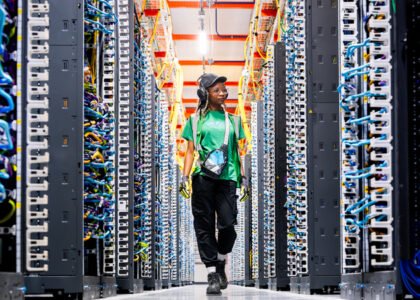
Data Centers are essential infrastructure for the digital age, but their rapid growth poses complex challenges for electricity demand, grid systems, and sustainability—especially as AI workloads surge.

AI-driven task automation is reshaping work unevenly—women, especially in clerical and administrative roles, face faster and deeper job transformation risks.